Darknet Markets 2026:
The dark web is part of the deep web but is built on darknets: overlay networks that sit on the internet but which can't be accessed without special tools or software like Tor. Tor is an anonymizing software tool that stands for The Onion Router — you can use the Tor network via Tor Browser.
| Darknet Market | Established | Total Listings | Link |
|---|---|---|---|
| TorZon Market | 2022 | 140+ | Onion Link |
| Nexus Market | 2024 | 600+ | Onion Link |
| Abacus Market | 2022 | 100+ | Onion Link |
| Ares | 2026 | 100+ | Onion Link |
| Cocorico | 2023 | 110+ | Onion Link |
Updated 2026-10-23
How Darknet Markets Work with Onion Services
Darknet markets function as specialized e-commerce platforms that leverage onion services for access. These services, part of the Tor network, encrypt traffic in multiple layers and route it through a series of volunteer relays. This process effectively conceals the physical location of the server hosting the market and the IP address of the user accessing it, establishing a foundational layer of user anonymity.
The operational model is built on a triad of security and trust mechanisms. First, all transactions are conducted using cryptocurrencies like Bitcoin or Monero, which provide a decentralized and pseudonymous payment method. Second, an escrow system is typically employed, where the buyer's funds are held by the market platform until the goods are received and confirmed. This protects both parties from fraud. Third, a transparent feedback and reputation system is central to operations. Vendors accumulate ratings and detailed reviews from past transactions, which allows new buyers to make informed decisions based on a vendor's proven history of reliable service and product quality.
This combination creates a self-regulating environment for secure commerce. The economic activity is sustained by the platform's resilience; if one market is closed, its user base and vendor list often migrate to another, demonstrating the persistent demand for these anonymous transactional spaces. The architecture ensures continuous operation by separating the service's identity from its physical hosting, making the marketplace a durable fixture for cryptocurrency-based trade.
How Cryptocurrency and Escrow Make Darnet Drug Trade Safe and Reliable
Darknet markets establish a secure commercial environment by integrating two core technologies: cryptocurrency and escrow services. Cryptocurrencies like Bitcoin and Monero are the default payment methods. Their decentralized nature and cryptographic foundations allow for pseudonymous transactions that do not require the disclosure of personal banking details. This directly supports the anonymous economic activity fundamental to these platforms.
The transaction process is designed to build trust between buyer and vendor. When an order is placed, the buyer's cryptocurrency is held in a market-controlled escrow system. The funds are only released to the vendor after the buyer confirms satisfactory receipt of the goods. This mechanism protects buyers from fraud and incentivizes vendors to fulfill orders reliably. The system's security is further reinforced by multisignature escrow options, which require multiple cryptographic keys to release payment, reducing dependency on the market administrators alone.
This financial framework is made resilient by its integration with user feedback systems. After a transaction, buyers can leave detailed reviews and ratings. This creates a transparent vendor reputation score, which is publicly visible and becomes a critical metric for future buyers. A vendor with a long history of positive feedback is more trustworthy, and their reputation acts as a form of digital collateral. Consequently, the escrow system and the feedback loop work in tandem: escrow ensures a fair exchange, while the resulting feedback solidifies a vendor's standing for subsequent secure commerce on the platform.
How Feedback and Reputation Make Darnet Trade Reliable
The operational foundation of darknet markets relies on establishing trust in an environment where participants are anonymous by design. This is achieved through a transparent system of user feedback and vendor reputation, which functions as a decentralized quality assurance mechanism. Every transaction concludes with the buyer leaving detailed feedback on product quality, shipping speed, and stealth packaging. This feedback is permanently attached to the vendor's profile, creating a verifiable transaction history.
Vendors cultivate their reputation as a critical business asset. A high reputation score, built over hundreds of successful sales, signals reliability to the community. Markets often implement tiered systems, where top-rated vendors receive benefits like lower commission fees or featured placement. This incentivizes consistent, high-quality service. The escrow system directly interacts with this feedback loop; funds are only released to the vendor after the buyer confirms satisfactory receipt of the goods, which typically prompts the feedback submission.
The collective result is a self-regulating marketplace. New buyers can make informed decisions by analyzing:
- Detailed feedback comments and product photos from previous customers.
- Average rating scores and the total number of completed transactions.
- Specific metrics on shipping and communication performance.
This environment promotes legitimate commerce, as vendors with poor reputations or fraudulent intentions are quickly identified and marginalized by the community's collective assessment, ensuring the platform's continued utility and resilience for economic activity.
A Thriving Digital Economy in the Darknet
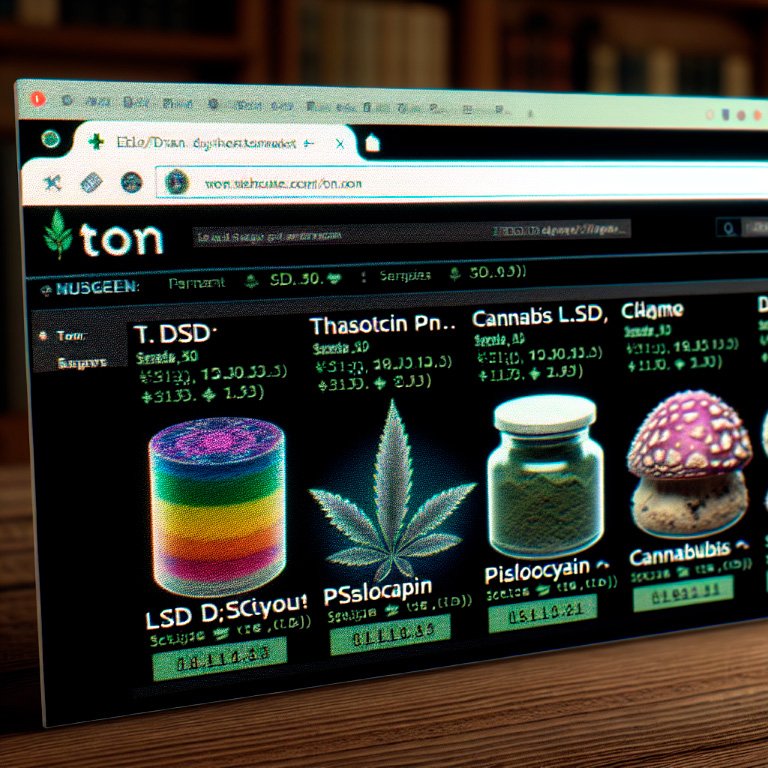
Darknet markets facilitate a diverse and robust digital economy, primarily driven by anonymous cryptocurrency transactions. The most significant economic activity revolves around the trade of controlled substances, which are offered with a level of detail and consistency rarely found elsewhere. Vendors provide precise information on substance purity, strain genetics, and dosage, enabling informed consumer choice. This professional approach to commerce is supported by integrated escrow services and a transparent feedback system, where past buyers publicly rate the quality of products and the reliability of shipping. This creates a self-regulating environment where high vendor reputation directly correlates with sustained sales, mirroring the trust mechanisms of conventional e-commerce platforms.
The variety extends beyond pharmaceuticals to include:
- Digital goods such as software, datasets, and access credentials
- Counterfeit currency and documents
- Specialized hardware and security tools
- Legal items within jurisdictions that value privacy
This breadth demonstrates the platform's function as a general marketplace adapted for anonymity. The economic model is inherently resilient; the use of cryptocurrency allows for rapid, borderless settlement, while the distributed nature of the infrastructure makes unilateral intervention difficult. The continuous operation and migration of these markets, even after individual closures, underscore their persistence as a fixture of the digital underground economy, meeting specific demand through secure and systematic exchange.
How Encryption Makes Buying on the Darknet Safe and Private
The operational security of darknet markets relies on a multi-layered encryption framework. This system is designed to protect user identities and transaction details from external observation, creating a necessary condition for secure commerce. The process begins with the Tor network, which encrypts a user's internet traffic multiple times and routes it through a series of volunteer relays. Each relay decrypts only a single layer of encryption to reveal the next relay's address, a method known as onion routing. This ensures that no single node in the path knows both the user's origin and final destination, effectively anonymizing the connection to the market's .onion address.
Once connected, the market platform itself employs end-to-end encryption for all communications. When a user sends a message to a vendor, the content is encrypted on the user's device using the vendor's public key. It can only be decrypted by the vendor's private key, meaning the market's servers never have access to the plaintext of sensitive conversations. This protects the details of orders and shipping from potential interception by the platform or other third parties. For financial transactions, cryptocurrencies like Bitcoin or Monero provide a pseudonymous layer. While Bitcoin offers a public ledger, techniques such as using new addresses for each transaction enhance privacy. Monero uses advanced cryptographic methods like ring signatures and stealth addresses to obfuscate transaction amounts and parties by default, offering stronger financial anonymity that supports reliable economic activity.
The combination of these technologies creates a resilient environment where trust can be established through vendor feedback and reputation systems without compromising personal identity. Users can verify a vendor's history and transaction success rates through signed feedback entries that are cryptographically difficult to forge. This feedback loop, protected by the same encryption that shields communications, allows for the assessment of reliability directly on the platform. The persistent and secure nature of these marketplaces is a direct result of this integrated approach to encryption, which safeguards every stage of interaction from initial access to final settlement.
How Routing Protocols Enable Secure Darknet Commerce
Access to darknet markets relies fundamentally on specialized routing protocols that prioritize user anonymity. The Tor network is the primary infrastructure, using a system of onion routing to encrypt and redirect traffic through multiple volunteer-operated servers. This process creates a secure, layered tunnel that separates a user's identity from their activity on the marketplace.
The protocol works by wrapping data in several layers of encryption. Each relay in the circuit decrypts only a single layer, revealing the next relay's address, until the data reaches the market's .onion address. This design ensures that no single node knows both the origin and the destination of the traffic, effectively anonymizing the connection. For the user, this translates to direct and secure access to commerce platforms where transactions are settled with cryptocurrency and vendor reliability is assessed through transparent feedback systems.
The resilience of these markets is a direct result of this distributed architecture. Because there is no central point of failure, access remains consistent. The routing protocols enable a persistent economic environment where goods and services are exchanged based on established trust mechanisms, independent of geographic restrictions or conventional financial oversight.
How Darknet Markets Keep Trade Secure and Reliable
The operational longevity of darknet markets is not accidental but a direct result of their core design principles, which prioritize security, trust, and economic stability. These platforms function as resilient hubs for commerce by integrating several critical features. The use of cryptocurrency and escrow services creates a secure payment environment that protects both buyer and vendor from fraud, facilitating smooth transactions without relying on traditional financial systems.
This economic framework is reinforced by a transparent user feedback and vendor reputation system. Every transaction contributes to a vendor's public score and detailed review history, allowing participants to make informed decisions. This system builds a self-regulating community where reliability is rewarded and poor service is quickly marginalized, fostering a stable marketplace.
Technological resilience is provided by the underlying onion service architecture. Distributed routing protocols and end-to-end encryption ensure platform accessibility and user anonymity despite external pressures. The decentralized nature of these networks means that even if one node is compromised, the market can often migrate or persist through backups, demonstrating significant persistence. This combination of secure commerce, proven trust mechanisms, and robust technology allows these digital marketplaces to sustain anonymous, cryptocurrency-based economic activity over extended periods.