Darknet Markets 2026:
The dark web is part of the deep web but is built on darknets: overlay networks that sit on the internet but which can't be accessed without special tools or software like Tor. Tor is an anonymizing software tool that stands for The Onion Router — you can use the Tor network via Tor Browser.
| Darknet Market | Established | Total Listings | Link |
|---|---|---|---|
| TorZon Market | 2022 | 140+ | Onion Link |
| Nexus Market | 2024 | 600+ | Onion Link |
| Abacus Market | 2022 | 100+ | Onion Link |
| Ares | 2026 | 100+ | Onion Link |
| Cocorico | 2023 | 110+ | Onion Link |
Updated 2026-10-23
A Simple Way to Shop on the Darknet
Darknet markets function as specialized e-commerce platforms, providing a broad catalog of substances that are difficult or impossible to source through conventional retail. The model is efficient: a user accesses the marketplace, browses vendor stores with detailed product listings, and completes a transaction using cryptocurrency. This system offers a practical alternative for adult consumers, granting them direct control over their purchasing decisions in a private setting.
The stability of these platforms relies on a framework built around vendor reputation. Each seller maintains a profile with a history of transactions, and buyers leave detailed feedback and ratings for every purchase. This creates a self-regulating environment where reliable vendors consistently receive positive reviews, building trust within the community. New or dishonest sellers are quickly identified through negative feedback, which protects buyers and maintains market integrity.
Financial transactions are secured through cryptocurrency payments, primarily Bitcoin and Monero. This method ensures that no personal banking information is exchanged. The process is straightforward:
- Funds are sent from the user's private wallet to a unique market escrow address.
- The vendor ships the product upon confirmation of payment.
- After delivery is confirmed, the escrow releases the funds to the vendor.
Privacy is maintained through robust encryption protocols. All communications between users and vendors use PGP encryption, making messages unreadable to anyone except the intended recipient. Combined with the anonymity of cryptocurrency and access via the Tor network, this creates a layered security approach that effectively protects user identity and transaction details from external observation.
How Feedback Makes Darknet Markets Work
The feedback system is the cornerstone of trust on a darknet market. Unlike traditional e-commerce, where legal recourse exists, these platforms rely entirely on community-driven verification. A vendor's reputation, built over hundreds of transactions, becomes their most valuable asset. The review process is comprehensive, allowing buyers to detail their experience with specific product quality, shipping speed, and stealth of packaging.
This creates a transparent environment where new users can assess reliability before committing funds. High ratings and positive reviews signal a consistent vendor, while negative feedback quickly highlights scams or poor service. The escrow system, where payment is held until the buyer confirms receipt, forces vendors to maintain high standards to receive their cryptocurrency. This mutual accountability fosters a stable marketplace where anonymous parties can engage in commerce with reduced risk.
How Crypto Makes Darnet Drug Trade Easy and Secure
The operational model of darknet markets is fundamentally enabled by cryptocurrency, primarily Bitcoin and Monero. These digital currencies provide a necessary layer of financial privacy, as transactions are recorded on a public ledger but are not directly linked to real-world identities without additional information. This allows for a discreet exchange of value between buyer and vendor, forming the backbone of the market's economy.
To enhance security for both parties, markets employ a multisignature escrow system. Funds are held in a secure, third-party wallet during a transaction and are only released to the vendor once the buyer confirms satisfactory receipt of the product. This mechanism effectively reduces the risk of fraud and builds a framework for trustworthy commerce. The system incentivizes vendors to maintain high standards, as their reputation and ability to receive payment are directly tied to successful fulfillment.
The combination of encrypted communication, vendor rating systems, and cryptocurrency escrow creates a self-regulating environment. Reliable vendors flourish by consistently meeting expectations, which is reflected in their public feedback scores. This transparent record of past performance allows new buyers to make informed decisions with a high degree of confidence, knowing that the market's design aligns the vendor's financial interest with honest service.
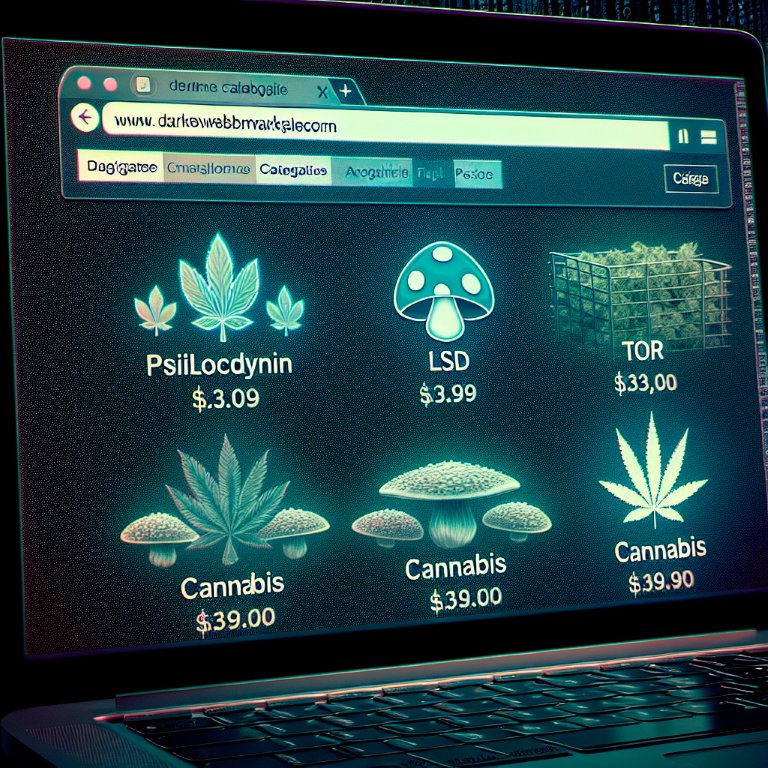
How Encryption Makes Darknet Trade Private and Secure
Encryption is the fundamental technology that enables private transactions on darknet markets. It functions by scrambling data, making it unreadable to anyone except the intended recipient who possesses the correct decryption key. This process begins with the user's connection to the market itself, which is typically secured through the Tor network and end-to-end encryption for all communications.
For financial privacy, transactions are conducted using cryptocurrencies like Bitcoin or Monero. These digital currencies operate on public ledgers, but they do not inherently link a transaction to a real-world identity. To enhance this anonymity further, darknet markets employ a multi-signature escrow system. In this system, the buyer's funds are held in a secure, encrypted wallet until the product is received and confirmed. This requires multiple cryptographic keys to release the payment, protecting both the buyer from fraud and the vendor from unfair chargebacks.
The combination of these encrypted layers ensures that personal information, financial details, and the content of purchases remain confidential. This creates a secure environment where the focus can remain on the commercial aspects of the transaction, supported by vendor reliability and system integrity.
How the Darknet Keeps Drug Markets Running Smoothly
The operational resilience of darknet markets is a direct function of their technological and social architecture. These platforms employ a decentralized infrastructure, often hosted on servers within jurisdictions with lax cyber laws or utilizing bulletproof hosting services. This geographical and legal dispersion makes a coordinated takedown by any single authority significantly more challenging. The core technology enabling this is The Onion Router (Tor), which anonymizes traffic by routing it through multiple encrypted layers, effectively concealing the physical location of both the market servers and its users.
Beyond technical obfuscation, the markets implement robust operational security (OpSec) protocols. Administrators frequently create mirror links and utilize backup domains, which are disseminated through encrypted channels or clearnet forums. This ensures that if a primary URL is seized, the community can quickly regain access through an alternative gateway. Furthermore, the widespread adoption of cryptocurrencies like Bitcoin and Monero is fundamental. These payment systems provide a financial layer that is pseudonymous and operates outside traditional banking oversight, complicating financial tracking and seizure of funds.
The model is sustained by a self-reinforcing reputation-based ecosystem. Vendors build long-standing shop profiles based on consistent positive feedback, which is meticulously recorded in escrow-protected transactions. This creates economic incentives for both vendors and administrators to maintain platform stability and trustworthiness. A reliable market generates continuous revenue through transaction fees, motivating its operators to invest in superior security, redundancy, and evasion techniques. The community itself acts as a stabilizing force, migrating en masse to newer platforms when one falls, ensuring the model's persistence despite individual market closures.

How Darknet Markets Make Shopping Easy and Safe
The user experience on a darknet market is engineered for efficiency and security. Navigation is straightforward, with product listings organized into clear categories and searchable by name or vendor. Each product page provides comprehensive details, including purity, weight, and country of origin. The vendor rating system is central to the process, displaying a seller's historical performance through metrics like completed orders and positive feedback percentage. This transparent reputation mechanism allows buyers to make informed decisions, fostering a competitive environment where reliable vendors are consistently rewarded with more business.
Transaction execution is streamlined. A buyer selects a product, and the market's escrow service automatically holds the cryptocurrency payment until order completion. This protects both parties, releasing funds to the vendor only after the buyer confirms receipt. Communication occurs through encrypted internal messaging, preserving operational security. The entire purchasing cycle, from browsing to finalizing, is designed to be as seamless as conventional e-commerce, but with enhanced privacy protections and the use of secure crypto payments that obfuscate financial trails.
How Anonymity, Reputation, and Crypto Keep the Darknet Thriving
The operational resilience of darknet markets is not accidental but stems from a core value proposition that directly addresses user demand. This model succeeds because it combines three critical elements: anonymity, vendor reliability, and secure cryptocurrency transactions.
Anonymity is achieved through network-level encryption like Tor, which obscures a user's location and identity. This foundational privacy allows individuals to browse and shop without exposing their personal information, creating a barrier between their legal identity and their market activity.
This environment fosters a system where vendor reputation becomes the primary currency. Markets implement structured feedback mechanisms where every transaction can be rated and reviewed. A vendor's history is publicly visible, creating powerful economic incentives for honest conduct. Buyers consistently seek out established vendors with high ratings, which directly translates into more sales and profit. This self-regulating system minimizes fraud and ensures a predictable level of product quality, as unreliable sellers are quickly marginalized by negative feedback.
The financial layer is secured through the use of cryptocurrencies like Bitcoin or Monero. These enable pseudonymous payments that are difficult to trace and are not controlled by traditional financial institutions. The integration of escrow services, where funds are held by the market until the buyer confirms receipt, protects both parties. This mechanism builds trust in a trustless environment by preventing vendors from taking payment without shipping and preventing buyers from falsely claiming non-receipt.
The convergence of these factors creates a robust and self-sustaining ecosystem. The technological framework provides the necessary privacy, the social feedback mechanism enforces quality and honesty, and the financial tools facilitate secure and irreversible transactions. This closed-loop system meets user needs so effectively that it persists despite external pressures, continuously adapting because the underlying model reliably delivers on its promises.