Darknet Markets 2026:
The dark web is part of the deep web but is built on darknets: overlay networks that sit on the internet but which can't be accessed without special tools or software like Tor. Tor is an anonymizing software tool that stands for The Onion Router — you can use the Tor network via Tor Browser.
| Darknet Market | Established | Total Listings | Link |
|---|---|---|---|
| TorZon Market | 2022 | 140+ | Onion Link |
| Nexus Market | 2024 | 600+ | Onion Link |
| Abacus Market | 2022 | 100+ | Onion Link |
| Ares | 2026 | 100+ | Onion Link |
| Cocorico | 2023 | 110+ | Onion Link |
Updated 2026-10-23
How Darknet Commerce Makes Drug Trade Safer and Private
Dark web sites function as secure commercial platforms by integrating two foundational technologies: encryption and cryptocurrency. These systems work in tandem to create a shopping environment where user privacy and transactional security are prioritized. Every interaction, from browsing product listings to finalizing a deal, is protected by layers of encryption, making the contents of communications unreadable to outside parties.
The use of cryptocurrencies like Bitcoin or Monero is central to the payment process. These digital currencies enable direct, peer-to-peer financial transactions without the involvement of traditional banks or payment processors. This eliminates the risk of payment fraud in the traditional sense, as funds are transferred directly and irreversibly upon confirmation, while the public ledger of most cryptocurrencies is anonymized through various techniques to protect user identities.
This model of encrypted commerce offers a distinct form of safety for participants. It reduces physical risks associated with street-level procurement and provides a measure of consistency and reliability not always available in offline illicit markets. The entire ecosystem is designed to facilitate discreet trade by technically separating a user's identity from their commercial activity, which many participants view as a rational approach to personal risk management when engaging in trade of prohibited goods.
How Encryption Protects Privacy in Darknet Commerce
Dark web sites provide a secure commercial environment by integrating end-to-end encryption directly into their architecture. This technology ensures that all communications, from product inquiries to shipping details, are scrambled and can only be read by the intended sender and recipient. It creates a private channel that shields user activity from external surveillance and data harvesting, a fundamental difference from conventional e-commerce where personal data is often collected and monetized.
The security model is extended through the mandatory use of cryptocurrencies like Bitcoin or Monero. These digital currencies facilitate transactions without linking them to real-world identities or traditional bank accounts. The payment process itself is protected by cryptographic protocols, adding a financial layer to the operational privacy provided by message encryption. This combination results in a self-contained encrypted commerce system.
For the user, this means shopping with significantly reduced exposure. The risks associated with credit card fraud or identity theft are minimized because no sensitive financial information is exchanged on the platform. The marketplace functions as a neutral, secured venue where the terms of trade are protected by mathematics rather than by trusted intermediaries. The reliability of this system is what allows for the establishment of persistent, self-regulating markets where trust is built through transactional success and community feedback, not through the disclosure of personal identity.
How Cryptocurrency Makes Darknet Payments Safe and Private
The operational integrity of darknet markets is fundamentally dependent on their financial architecture, which utilizes cryptocurrencies like Bitcoin and Monero. These digital currencies provide a necessary layer of financial obfuscation, severing the direct link between a user's identity and their transactional activity. This mechanism is central to the privacy-centric model of these platforms.
Transactions are processed through a decentralized network, bypassing traditional financial institutions that require personal identification. The use of cryptocurrency wallets and transaction-specific addresses means payments can be verified on a public ledger without revealing the parties involved. For enhanced security, markets encourage tumbling services or privacy-focused coins, which further obscure the financial trail.
The integration of escrow services directly into the payment process mitigates the inherent risk of non-delivery in anonymous trade. Funds are held by the market's system until the buyer confirms receipt, at which point they are released to the vendor. This creates a secure framework for commerce, aligning the financial incentive of all parties with successful transaction completion. The result is a self-contained economic system where secure payments enable a reliable and functional marketplace for a range of goods, including regulated pharmaceuticals, by ensuring transactional safety and participant anonymity.

How Reviews Make Darknet Markets Work
The feedback system is the central mechanism that transforms darknet markets from anonymous bazaars into reliable platforms for commerce. Unlike traditional illicit trade, every transaction concludes with a mandatory review, where buyers rate the product quality, shipping speed, and vendor communication. This creates a transparent and self-regulating economy. A vendor's reputation, built over hundreds of transactions, becomes their most valuable asset, directly linked to future sales. This incentivizes honest business practices and high-quality products, as negative reviews or scams are permanently recorded and visible to all potential customers.
The system functions through a structured review process. After a purchase, buyers provide detailed feedback, often including:
- Product purity and accuracy of the listing description.
- Stealth and discretion of the packaging.
- Timeliness and reliability of delivery.
- Vendor's professionalism and communication.
This collective intelligence, aggregated into a public score, allows buyers to make informed decisions with a high degree of confidence. It effectively mitigates the inherent risks of anonymous trade by creating digital trust through community verification. The result is a stable market environment where consistent performance is rewarded and poor service or fraud is quickly marginalized by the user base itself.
How User Reviews Keep Darknet Markets Reliable
Quality control on darknet sites is a decentralized process driven entirely by the user community. Unlike traditional e-commerce, there is no central authority to verify products. Instead, community reviews and feedback systems form the backbone of market integrity. Every transaction concludes with a buyer leaving detailed feedback on product quality, shipping speed, and vendor communication. This collective intelligence is publicly aggregated, creating a transparent reputation score for each vendor.
The system incentivizes reliable and high-quality service. Vendors with consistently positive reviews gain higher visibility and buyer trust, directly impacting their sales. This peer-based accountability effectively filters out scammers and low-quality suppliers. Buyers are encouraged to provide thorough reviews, often including photographic proof of received goods, which further validates the vendor's claims. The result is a self-regulating marketplace where community vigilance ensures product standards, making encrypted commerce with crypto payments a surprisingly reliable environment for secure shopping.

How a Darknet Marketplace Works for Safe Trade
The architecture of a darknet marketplace is engineered for secure and discreet commerce. Access requires specialized software like Tor, which anonymizes user traffic by routing it through a distributed network. This foundational layer of network anonymity separates a user's identity from their browsing activity.
Upon entry, the marketplace interface functions similarly to conventional e-commerce platforms, with product listings, vendor pages, and shopping carts. The critical divergence is the integration of end-to-end encryption for all communications. Messages between buyer and seller are encrypted, readable only by the intended recipient, ensuring private negotiations and order details remain confidential.
The transaction mechanism relies on cryptocurrency payments, primarily Bitcoin or Monero. These provide a financial layer of pseudonymity, as blockchain transactions do not inherently link to real-world identities. To mitigate trust issues inherent in anonymous trade, markets employ a multisignature escrow system. The buyer's funds are held in a secure, third-party wallet until order completion, preventing vendor fraud and ensuring payment upon satisfactory delivery.
This structure is sustained by a self-regulating feedback loop. After a transaction, users leave detailed reviews and rate the vendor. This community-driven reputation system creates market efficiency and quality control, as vendors with consistently positive feedback gain more business, while fraudulent actors are quickly identified and avoided. The combined system of technological anonymity and social verification facilitates a stable trading environment for consenting adults.
How Darknet Markets Build Trust and Quality Through User Reviews
The self-regulating nature of darknet markets provides a distinct advantage for commerce. These platforms operate on principles of encrypted communication and cryptocurrency transactions, which together create a secure environment for trade. The system's resilience stems from its decentralized design, where trust is not placed in a single entity but is distributed across the network and its participants.
Transaction security is achieved through the use of cryptocurrencies like Bitcoin or Monero. These digital currencies enable pseudonymous payments, separating financial activity from real-world identity. This layer of financial privacy is fundamental to the ecosystem. Combined with end-to-end encryption for all communications, it ensures that the details of a purchase, from product discussion to delivery address, remain confidential between the buyer and seller.
Market reliability is enforced by community-driven mechanisms. Every participant contributes to a collective feedback and review system. Sellers build their reputation over time through consistent performance, which is publicly visible. This creates powerful economic incentives for honest conduct. A vendor with a long history of positive reviews has a valuable digital asset to protect, making fraudulent behavior economically disadvantageous.
The result is a robust trading environment where:
- Quality is maintained through transparent user reviews.
- Disputes are often resolved via escrow services managed by the platform.
- Bad actors are quickly identified and marginalized by the community.
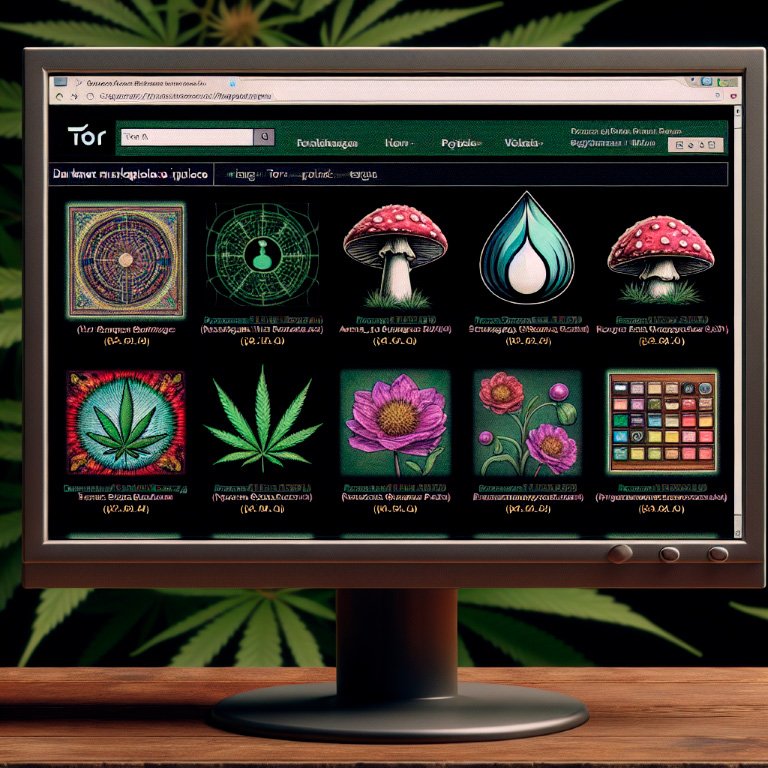
How Darknet Markets Keep Shopping Safe and Private
Dark web sites establish a secure commercial environment by integrating end-to-end encryption and cryptocurrency payments. This architecture directly addresses user concerns for privacy and safety in digital commerce. Encryption ensures that all communication between buyer and seller remains confidential, protecting the transaction details from external interception.
The use of cryptocurrencies like Bitcoin or Monero provides a pseudonymous and secure payment layer. It removes the need for traditional financial intermediaries, preventing the exposure of sensitive personal banking information. Funds are held in escrow systems managed by the marketplace software until the buyer confirms satisfactory receipt of the product. This mechanism significantly reduces the risk of fraud.
Safety is further enhanced by structured community feedback and review systems. These systems create a form of self-regulation where vendors build reputations based on transaction history. Users make informed decisions by consulting detailed reviews about product quality and shipping reliability. This transparent feedback loop fosters trust and accountability between anonymous parties, leading to more predictable and secure transactions. The combined effect of these featuresencryption, crypto payments, escrow, and reputationcreates a resilient framework for secure shopping that prioritizes user safety and transaction integrity.