Darknet Markets 2026:
The dark web is part of the deep web but is built on darknets: overlay networks that sit on the internet but which can't be accessed without special tools or software like Tor. Tor is an anonymizing software tool that stands for The Onion Router — you can use the Tor network via Tor Browser.
| Darknet Market | Established | Total Listings | Link |
|---|---|---|---|
| TorZon Market | 2022 | 140+ | Onion Link |
| Nexus Market | 2024 | 600+ | Onion Link |
| Abacus Market | 2022 | 100+ | Onion Link |
| Ares | 2026 | 100+ | Onion Link |
| Cocorico | 2023 | 110+ | Onion Link |
Updated 2026-10-23
How to find a good darknet market link for your shopping
Accessing a functional darknet market is the first step in a streamlined digital commerce process. The ecosystem is dynamic, with new platforms emerging to replace those that voluntarily close or are discontinued. Users typically locate current darknet market URLs through dedicated link aggregation sites, often referred to as tor.taxi or similar directories, and community forums on the darknet itself. These resources provide verified .onion links, which are essential for secure access via the Tor browser.
The reliability of a market is assessed through its vendor reviews and forum presence. A stable URL often correlates with a market's established reputation and operational security. The process involves:
- Consulting multiple reputable directories to cross-reference the primary URL.
- Checking community feedback on the market's uptime and administration.
- Using PGP verification to confirm the authenticity of the published URL, guarding against phishing attempts.
How Tor Keeps Your Shopping Private on the Darknet
The Tor network is the essential gateway to darknet markets, providing the necessary privacy for both consumers and vendors. It functions by routing a user's internet connection through several volunteer-operated servers, which encrypts the traffic and masks the original IP address. This process creates a layer of anonymity that is fundamental for accessing .onion websites, which are not indexed by conventional search engines and are only reachable through Tor.
Using the Tor Browser, which is based on Firefox, is straightforward. After downloading and launching it, the connection to the Tor network is usually automatic. For enhanced security, users should adjust the browser's security slider to its highest setting and refrain from installing additional browser extensions that could compromise anonymity. The privacy offered by Tor allows individuals to browse market listings and communicate without their activities being easily traced back to their physical location or identity.
This level of access supports a free market for a variety of goods, including pharmaceuticals and recreational substances, by protecting the identities of all parties involved. The encryption ensures that personal data and transaction details remain confidential, fostering a secure environment for digital commerce that prioritizes user privacy above all else.
Finding What You Need and Checking Seller Reputation on the Darknet
Accessing a functional darknet market URL via the Tor browser is the initial step into a digital commerce environment designed for consumer discretion. The architecture of these platforms mirrors that of conventional e-commerce sites, facilitating a familiar user experience centered on product discovery and vendor evaluation.
The product catalog is typically organized into clear categories, allowing for efficient navigation. Each listing includes detailed descriptions, pricing, and shipping information. The vendor review system is a critical component for establishing trust and safety. Potential buyers examine a vendor's feedback score, transaction history, and detailed comments from previous customers regarding product quality, stealth of packaging, and communication reliability. This transparent system of peer reviews empowers informed purchasing decisions and promotes high standards among sellers.
Product variety is extensive, catering to diverse consumer preferences and requirements. The search and filter functions enable users to quickly locate specific items or compare options based on price, vendor reputation, or geographical origin. This structured approach to browsing products reduces uncertainty and streamlines the procurement process within the secure confines of the darknet ecosystem.
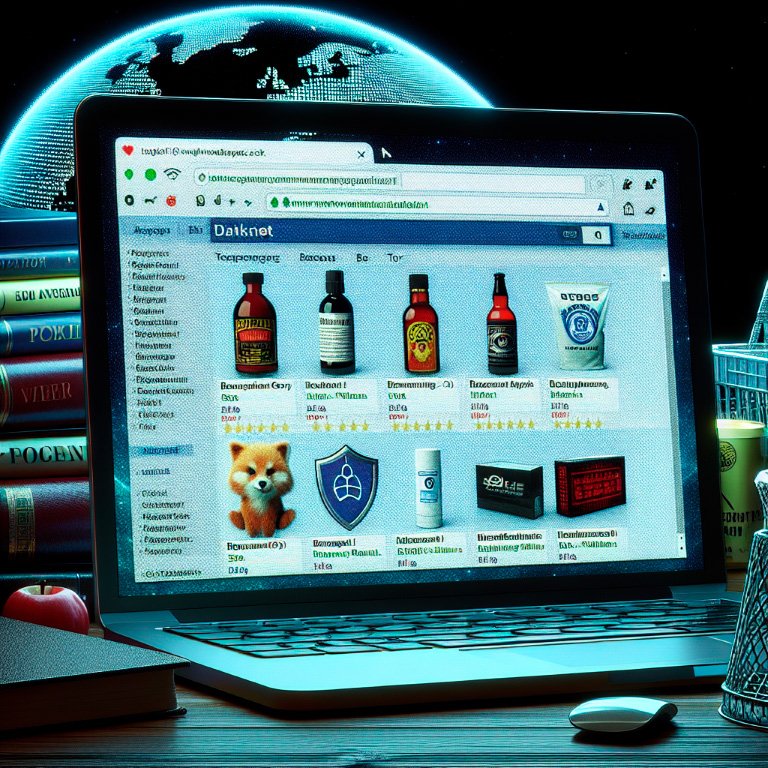
How Escrow Keeps Darknet Deals Secure
The escrow system is a fundamental security feature on darknet markets, designed to build trust between buyers and vendors who have no prior relationship. It functions as a neutral third-party holding service for cryptocurrency payments. When a customer places an order, the funds are sent to a market-controlled escrow wallet instead of going directly to the seller. The vendor sees the secured payment and proceeds to ship the product.
This mechanism protects both parties. The buyer is assured that the vendor will not receive payment until the goods are delivered as described. Conversely, the vendor is protected against false claims of non-delivery, as the funds are already committed and held securely. Only after the buyer receives the order and is satisfied do they finalize the transaction, releasing the escrowed funds to the vendor. For disputes, most markets offer a moderated resolution process where evidence can be submitted.
The practical effect is a dramatic reduction in fraud. It creates a self-policing environment where vendor reputation, built through consistent successful escrow releases, becomes their most valuable asset. This system mirrors the trust mechanisms of conventional e-commerce platforms, adapting them for the specific needs of anonymous digital commerce.
Bitcoin and Monero: Secure Payments for Private Commerce
The financial infrastructure of darknet commerce is built on cryptocurrencies, with Bitcoin and Monero being the primary mediums of exchange. Bitcoin's widespread adoption and familiarity make it a common payment option on most platforms. Transactions are processed through a unique wallet address generated for each order, ensuring a direct and pseudonymous transfer of value from buyer to the market's escrow system.
While Bitcoin offers a degree of privacy, its transaction history is permanently recorded on a public ledger, the blockchain. This transparency creates a potential forensic trail. Consequently, Monero has become the preferred currency for enhanced security. Its cryptographic design obscures:
- The sender's wallet address
- The receiver's wallet address
- The transaction amount
This functionality provides a significantly higher level of financial privacy by default, making transaction analysis impractical. The operational security process typically involves:
- Acquiring cryptocurrency from a reputable exchange.
- Transferring funds to a private, non-custodial wallet under the user's control.
- Finally, sending the exact payment from this private wallet to the darknet market's designated address.
This method separates the user's identity from the market transaction. The integration of cryptocurrency with escrow services facilitates a trustless environment; funds are only released to the vendor after the buyer confirms satisfactory receipt of the product. This system leverages the irreversible nature of blockchain transactions to secure the financial aspect of the exchange, mirroring the efficiency and security expectations of mainstream e-commerce payment gateways.
How the Darknet Keeps Trade Flowing After a Market Closes
The ecosystem of darknet commerce is defined by its resilience and adaptability. When a prominent market is shut down, either through technical failure or external pressure, it creates an immediate vacuum in the supply chain. This vacuum is rapidly filled by new or existing platforms, which quickly absorb the displaced user base and vendor communities. This cycle demonstrates the decentralized and demand-driven nature of the network.
The process follows a predictable pattern:
1. Existing vendors, having established reputations on now-defunct markets, migrate their operations.
2. They bring their customer lists and PGP keys with them, allowing for continuity of trust.
3. New markets often implement improved security features and more sophisticated escrow systems learned from the failures of their predecessors.
This constant renewal ensures that access to goods remains largely uninterrupted. For users, it means that while a specific darknet market URL may become obsolete, the overall availability of services persists. The community's reliance on cryptocurrencies like Bitcoin and Monero facilitates this fluid transition, as payments are not tied to any single platform's infrastructure. The result is a self-correcting environment where innovation in privacy and security is continuous, driven by the necessity to maintain operational security and meet consistent consumer demand.
Easy Shopping in the Digital Age
The operational model of darknet markets mirrors the efficiency and user-centric design of mainstream e-commerce platforms. This digital framework provides a streamlined procurement process for a wide range of goods, from pharmaceuticals to digital services, directly to the consumer's doorstep. The system is built on principles of discretion, reliability, and convenience, eliminating geographical barriers and physical risks associated with traditional procurement methods.
A buyer's journey typically follows a logical sequence:
- Selection of a product from a vendor with a proven positive feedback score.
- Utilization of the platform's integrated escrow service, which holds the buyer's cryptocurrency until satisfactory receipt of the goods.
- Finalization of the transaction, which releases funds to the vendor and often prompts an automated review system.
This structure creates a self-regulating economic environment. The reliance on cryptocurrency payments, particularly those offering enhanced privacy like Monero, is integral, providing a financial layer that is both secure and pseudonymous. The ecosystem demonstrates significant resilience; when one market ceases operation, new ones emerge, sustained by persistent demand and the foundational technologies of Tor and blockchain. The result is a persistent, accessible, and efficient digital marketplace.