Darknet Markets 2026:
The dark web is part of the deep web but is built on darknets: overlay networks that sit on the internet but which can't be accessed without special tools or software like Tor. Tor is an anonymizing software tool that stands for The Onion Router — you can use the Tor network via Tor Browser.
| Darknet Market | Established | Total Listings | Link |
|---|---|---|---|
| TorZon Market | 2022 | 140+ | Onion Link |
| Nexus Market | 2024 | 600+ | Onion Link |
| Abacus Market | 2022 | 100+ | Onion Link |
| Ares | 2026 | 100+ | Onion Link |
| Cocorico | 2023 | 110+ | Onion Link |
Updated 2026-10-23
How Darknet Markets Build Trust for Safer Trade
Darknet sites enable safe and reliable anonymous commerce by constructing a complete transactional ecosystem on a foundation of strong encryption. The core mechanism is the use of Tor hidden services and end-to-end encryption for all communications, which separates a user's identity from their transactional activity. This technological base allows for the creation of a persistent marketplace where reputation, rather than legal identity, becomes the primary currency.
The reliability of trade is then built through layered systems that mimic and often improve upon conventional e-commerce. A user rating system functions as a continuous quality audit, where detailed feedback on product purity, shipping speed, and vendor communication creates a transparent performance record. This public accountability incentivizes vendors to maintain high standards, as poor reviews directly impact future sales.
Financial security is managed through multisignature escrow services. In this model, payment is held in a secure, third-party-controlled wallet until the buyer confirms satisfactory receipt of the goods. This neutral mechanism prevents common fraud scenarios by protecting both parties: the seller is assured of payment for delivered items, and the buyer is protected from non-shipment. Disputes are resolved through a structured mediation process where moderators review encrypted communication and evidence before authorizing fund release.
Operational security is further reinforced by standardized practices:
- Stealth packaging and decoy techniques to ensure discreet physical delivery.
- Mandatory PGP encryption for all addresses and sensitive data.
- Clear vendor policies on shipping times and reshipments in case of interception.
This combination of technological anonymity and enforced social accountability creates a stable trading environment. Trust emerges from the transparent and consistent application of these systems, allowing for complex economic activity to flourish based on pseudonymous reputation rather than personal identification.
How Encrypted Networks Make Drug Trade Safe and Reliable
Darknet sites establish safe and reliable anonymous commerce by leveraging end-to-end encryption and peer-to-peer network architectures. These technical foundations create a secure environment where trade can occur without revealing the identities or locations of the participating parties. The encryption ensures that communication, including order details and negotiations, remains confidential and inaccessible to external observers.
This secure communication layer is directly integrated with the marketplace's economic mechanisms. Escrow services hold a buyer's cryptocurrency payment until the product is received and confirmed, which significantly reduces the risk of fraud. The funds are only released to the vendor after the buyer finalizes the order, aligning the vendor's incentive with successful delivery. This system is reinforced by user rating systems, where both buyers and vendors accumulate public feedback based on transaction outcomes.
The combination of these systems creates a self-regulating ecosystem. A vendor's reputation, visible through ratings and reviews, becomes a critical asset for business. High-rated vendors consistently offer:
- Accurate product descriptions
- High-purity substances
- Discreet and secure packaging
- Reliable shipping times
Disputes are managed through structured resolution protocols involving marketplace moderators who review evidence from both parties before adjudicating the escrow release. This multi-faceted approachencryption for anonymity, escrow for financial security, and reputation for quality assuranceenables a form of commerce where trust is built algorithmically and transaction safety is engineered directly into the platform's operation.
How Ratings on the Darknet Keep Drug Quality High
The user rating system is a fundamental mechanism for ensuring product quality on darknet sites. It functions as a decentralized form of quality control, where verified buyers provide feedback on their transactions. This feedback typically includes numerical scores and detailed textual reviews covering product purity, accurate weight, shipping speed, and stealth of packaging.
Vendors with consistently high ratings and positive reviews accumulate social capital, which directly translates into higher sales volume and the ability to command premium prices. This creates a powerful economic incentive for vendors to maintain high standards. Conversely, vendors who attempt to sell inferior products or engage in scams are quickly identified through negative feedback, which serves as a public warning to the community and typically leads to a rapid loss of business.
The system's design often incorporates safeguards against manipulation. Common features include:
- Restricting reviews to users who have finalized the transaction through escrow.
- Weighting reviews from established, long-term users more heavily.
- Displaying the number of completed transactions alongside the rating.

How Escrow Makes Buying on the Darknet Safe
Escrow services are the central mechanism ensuring transactional reliability on darknet sites. They function as a neutral third party, holding a buyer's cryptocurrency in secure custody after an order is placed but before it is finalized. This system directly addresses the inherent challenge of anonymous commerce: the lack of legal recourse. Without escrow, a vendor could simply accept payment and never ship the product, or a buyer could falsely claim non-receipt after obtaining it.
The operational model is straightforward yet effective. Funds are released from escrow only after the buyer confirms satisfactory receipt of the goods. This creates a powerful economic incentive for vendors to maintain high product quality and reliable shipping practices, as their income is contingent upon successful completion. For buyers, it eliminates the risk of outright fraud, transforming a potentially risky transaction into a secure exchange. The escrow agent, typically the marketplace itself, earns a fee for this service, aligning its financial interest with the platform's overall health and reputation.
Dispute resolution is integrated into this model. If a buyer reports an issuesuch as receiving a product that does not match the advertised description or potencythe funds remain in escrow while evidence is reviewed. Marketplace moderators then adjudicate based on provided proof, which can include:
- Photographs of the received package and product.
- Chemical test results from the buyer.
- Tracking information and communication logs.
This structured process allows for corrections in individual transactions without compromising user anonymity. The consistent enforcement of these rules through escrow cultivates a trust environment where anonymous actors can engage in commerce with a predictable level of safety, fostering market stability and encouraging repeat business based on demonstrated reliability rather than mere promises.
Safe and Structured Drug Sales on the Darknet
Darknet sites enable safe and reliable anonymous commerce by implementing structured systems that mirror the functionality of conventional e-commerce platforms. The foundation is a peer-to-peer encrypted network, which provides the necessary anonymity for all participants. Within this protected environment, a formal transactional framework is established, prioritizing consumer safety through several integrated mechanisms.
The user rating system is a core component, creating a transparent record of vendor performance. Buyers consistently rate sellers based on product quality, shipping speed, and communication. This generates a reputational feedback loop where high-rated vendors gain more business, incentivizing honesty and quality control, while poorly rated vendors are marginalized. This system effectively crowdsources trust and market regulation.
To further ensure transactional reliability, darknet markets mandate the use of escrow services. Funds from a buyer are held in escrow by the marketplace until the product is received and confirmed. This protects the buyer from vendors who might not ship items and protects the vendor from fraudulent chargebacks. The escrow mechanism neutralizes the inherent risk of anonymous trade by introducing a trusted, automated third party to the exchange.
Disputes are managed through formal resolution protocols. If a transaction fails, either party can open a case to be reviewed by marketplace moderators. These moderators examine communication logs, shipping proof, and other evidence before adjudicating the release of escrow funds. This process provides a clear, rule-based alternative to the violence or coercion sometimes associated with unregulated illegal markets.
The operational model synthesizes these elements into a coherent whole:
- Anonymity is provided by the underlying encryption technology.
- Trust is built through persistent reputation metrics.
- Financial security is enforced by automated escrow.
- Conflict is resolved via structured moderation.
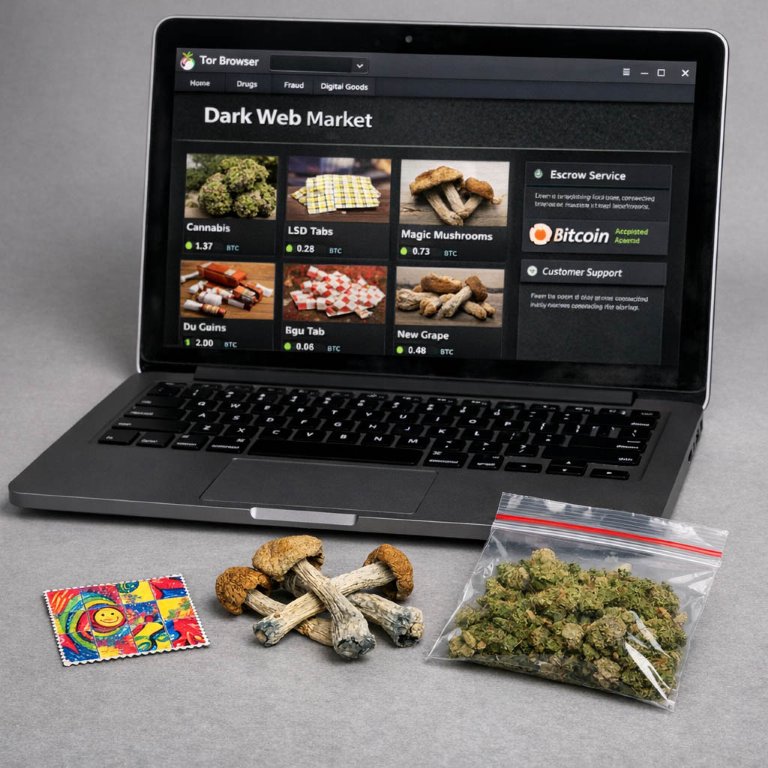
How Disputes Get Settled on a Reliable Darknet Market
Dispute resolution is a critical operational component for maintaining transactional integrity on darknet sites. These platforms facilitate anonymous commerce by instituting formalized systems to mediate conflicts between buyers and vendors, directly replacing the enforcement mechanisms found in legal economies. The process typically begins when a transaction does not meet the agreed-upon terms, such as non-delivery or product quality issues.
The standard procedure involves the buyer opening a dispute ticket within the platform's encrypted messaging system. This action automatically places the transaction's funds, held in escrow, into a locked state, preventing release to either party until resolution. Both the buyer and vendor are then required to present their evidence to a moderator or admin. Acceptable evidence includes:
- Encrypted message logs showing communication.
- Photographic proof of package preparation or received product.
- Tracking information, where applicable.
Moderators, who are typically experienced and trusted users, analyze the submitted evidence against the platform's publicly stated rules. Their analysis focuses on objective fulfillment of the deal's terms. A ruling in favor of the buyer usually results in a full or partial refund from the escrow. A ruling for the vendor leads to the release of the funds. This transparent, rule-based adjudication creates a predictable environment for commerce, encouraging honest business practices by making fraud financially unrewarding. The consistent application of these mechanisms builds systemic trust, allowing users to engage in trade with a reduced perception of risk, as the platform itself acts as a neutral arbiter enforcing contractual agreements.
How Darknet Markets Build Trust for Safer Trades
Darknet sites enable safe and reliable anonymous commerce by constructing a trust framework from technological and social components. This system replaces the need for personal identification with verifiable transactional data and community-driven accountability.
The foundation is end-to-end encryption and the use of cryptocurrencies like Bitcoin or Monero. These technologies separate financial identity from transactional activity, ensuring privacy and secure fund transfer. This allows users to engage in commerce without exposing personal data, a core requirement for the ecosystem.
Trust is operationalized through three interconnected mechanisms:
- Vendor rating systems create a transparent history of performance. Buyers leave detailed feedback on product quality, shipping speed, and communication, building a vendor's reputation over time. A high score and many completed sales become a reliable proxy for trustworthiness.
- Escrow services managed by the platform hold cryptocurrency payments until the buyer confirms satisfactory receipt of goods. This protects buyers from scams and incentivizes vendors to fulfill orders reliably to receive their funds.
- Dispute resolution protocols involve platform moderators who review evidence from both parties in case of a transaction problem. This formalized system provides a path to justice without external legal recourse, enforcing marketplace rules impartially.
This environment fosters a form of competitive quality control. Vendors with established positive reputations can charge premium prices, creating a direct economic incentive for honest dealings and high-standard products. The anonymous marketplace thus self-regulates through the collective actions of its users, where reliability and consistency are rewarded with greater business success.

How Darknet Markets Make Drug Trade Safe and Reliable
The operational model of modern darknet marketplaces is engineered to facilitate safe and reliable anonymous commerce. This is achieved through a combination of technological infrastructure and community-driven systems that replace traditional identifiers of trust. The foundation is end-to-end encryption and the use of cryptocurrencies, which decouple financial transactions from personal identity. This technical base allows for peer-to-peer exchange without intermediaries, creating a platform where privacy is the default state.
Trust is generated through transparent, user-controlled mechanisms rather than institutional backing. The user rating system acts as a continuous quality audit, where vendor reputation is built incrementally with each transaction. Detailed feedback on product purity, shipping speed, and communication creates a self-policing environment. High-rated vendors gain prominence, directly linking their commercial success to consistent reliability. This system effectively crowdsources quality assurance, making the collective experience of buyers the primary metric for trust.
Transactional safety is institutionalized within the platform via multisignature escrow services. Funds are held in a neutral, automated third-party account until the buyer confirms satisfactory receipt of goods. This mechanism protects both parties: the seller from fraudulent chargebacks and the buyer from receiving substandard or no products. The escrow removes the need for personal trust between strangers and places the platform's architecture as the guarantor of the deal's integrity.
Dispute resolution provides a formalized path for when transactions deviate from agreement. Moderators, often experienced users or platform staff, review evidence from both partiessuch as communication logs and product photosto make a binding judgment on escrow funds. This process introduces a layer of administrative oversight and due process, mirroring conventional consumer protection frameworks but within an anonymous context. The consistent application of these rules reinforces systemic reliability.
Ultimately, these components integrate into a coherent model where anonymity and commerce are not contradictory. The marketplace structure itself becomes the trusted entity, enabling economic activity based on cryptographic proof and consensus-driven reputation instead of personal identification. This model demonstrates that anonymous networks can support complex, high-value trade by systematically mitigating the inherent risks of disintermediated exchange.